


Cloning, expression, and purification of the M cell targeting peptide CPE16 derived from C-terminus of Clostridium perfringens enterotoxin and the binding evaluation with Claudin-r4
- Faculty of Biology and Biotechnology, University of Science, VNU-HCM, Viet Nam
- Faculty of Biology and Biotechnology, University of Science, VNU-HCM
- Ben Tre Province’s Department of Science and Technology
Abstract
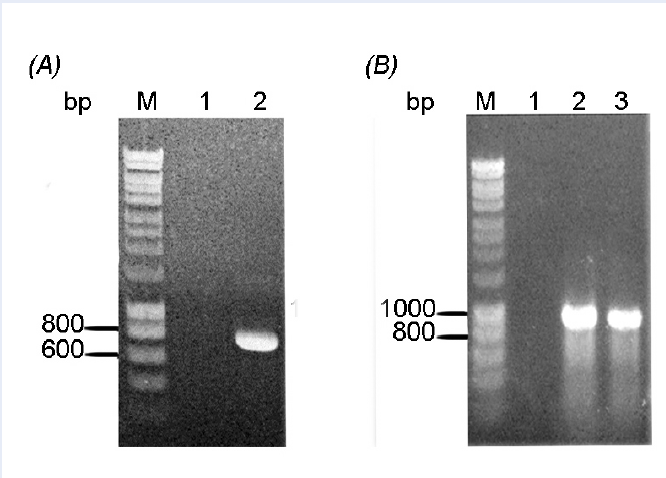
Developing the oral vaccine that stimulates the mucosal immune system in order to prevent the gastro-intestinal infection is an indispensable demand nowadays. Targeting the M cells, which is a sampling antigen cell, is a highly efficient solution to prevent the dispersion of antigens. Many researches demonstrate that C-terminus Clostridium perfringens enterotoxin bounds to the Claudin- 4 receptor on the M cell surface. By using bioinformatics methods, the peptide CPE16 (16 amino acid of C-terminus of Clostridium perfringens enterotoxin) was predicted to have a high affinity to Claudin-4 receptor on M cells. In this present study, CPE16-GFP was produced as a resource to assess the binding ability to M cells. Recombinant plasmid pET22b-cpe16-gfp was constructed through cloning cpe16-gfp gene into pET22b by two restriction enzymes, NdeI and XhoI, respectively. The recombinant plasmid was transformed into E. coli BL21 (DE3) strain. The expression of protein CPE16-GFP was induced by 0.5 mM IPTG and confirmed by SDS-PAGE analysis and Western blot probed with anti-6xHis antibody. CPE16-GFP protein was expressed in soluble form. CPE16- GFP was purified by using immobilized-metal affinity chromatography with the purity up to 94.14 percent. Finally, CPE16 was tested for the binding ability to recombinant GST-claudin-R4 with the use of silicon nanowire (SiNW-FET). The result showed that CPE16 interacted with GST-claudin-R4 presented by the change of the current through nanowire, compared to its counterpart control GST.