


Optimization of an anti-inflammatory screening model on the RAW 264.7 macrophage cell
- University of Science, VNU-HCM
Abstract
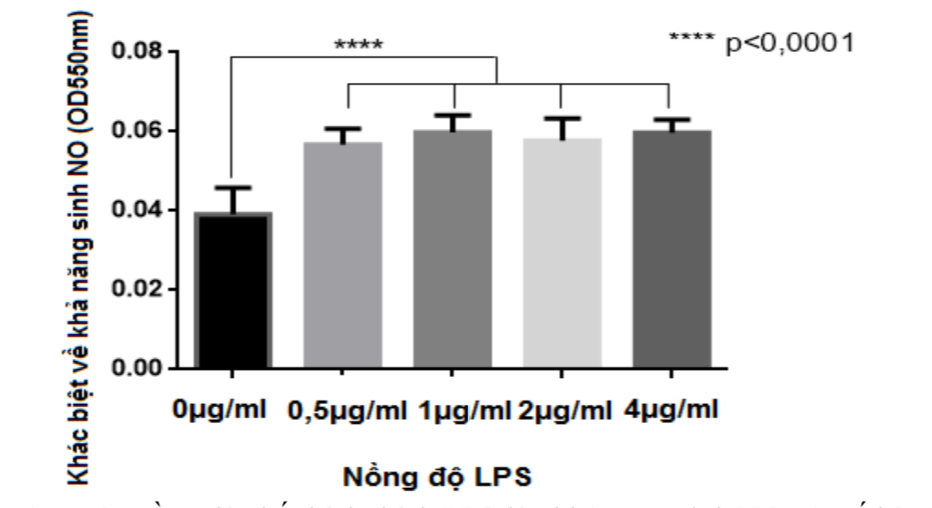
Inflammation is the response of living tissues to the injury. Prolonged or inappropriate inflammation has been involved with many diseases such as, cancer, diabetes, heart disease… These days, inflammation has been treated by nonsteroidal and steroidal anti-inflammatory drugs, which have a lot of side effects. It opens the need and interest of new drugs discovery. Particularly, scientific and pharmaceutical communities show great interest in finding new anti-inflammatory compounds in traditional medicinal plants. This study aimed to optimize an in vitro anti-inflammatory model. Cell heterogeneity, cell density, LPS concentration and LPS incubation time were chosen to optimize the production of nitric oxide (NO) in RAW 264.7 macrophage cells. Our results show that 104 cells/well, FBS 1 %, starvation for 6 h, LPS 0.5 µg/mL in 24 h were optimized parameters in the model. Then, extracts from Hedyotis capitellata, a traditional medicinal plant used by K’ho minority, Bidoup Nuiba national park, Lam Dong province, Vietnam, was chosen to evaluate the in vitro antiinflammatory model. The anti-inflammatory activity was tested by measuring the production of NO in lipopolysaccharide-activated RAW 264.7 macrophage cells. The experimental data indicate that the extracts of this plant decreased NO production in LPS-stimulated RAW 264.7, particularly, the petroleum ether fraction at the concentration of 23.8 µg/mL inhibited NO production by 128.20 %; whereas dexamethasone 50 µM inhibited NO accumulation to 112 %.