


The Phase in the fabrication of polyvinyl alcohol-based nanocomposite flimsExtraction of nanocellulose from by-products of Vietnamese nipa palm (Nypa fruticans) and its application as a reinforcing phase in the fabrication of polyvinyl alcohol-based nanocomposite flims
- Faculty of Materials Science and Technology, University of Science
- Vietnam National University Ho Chi Minh City (VNU-HCM), Vietnam
Abstract
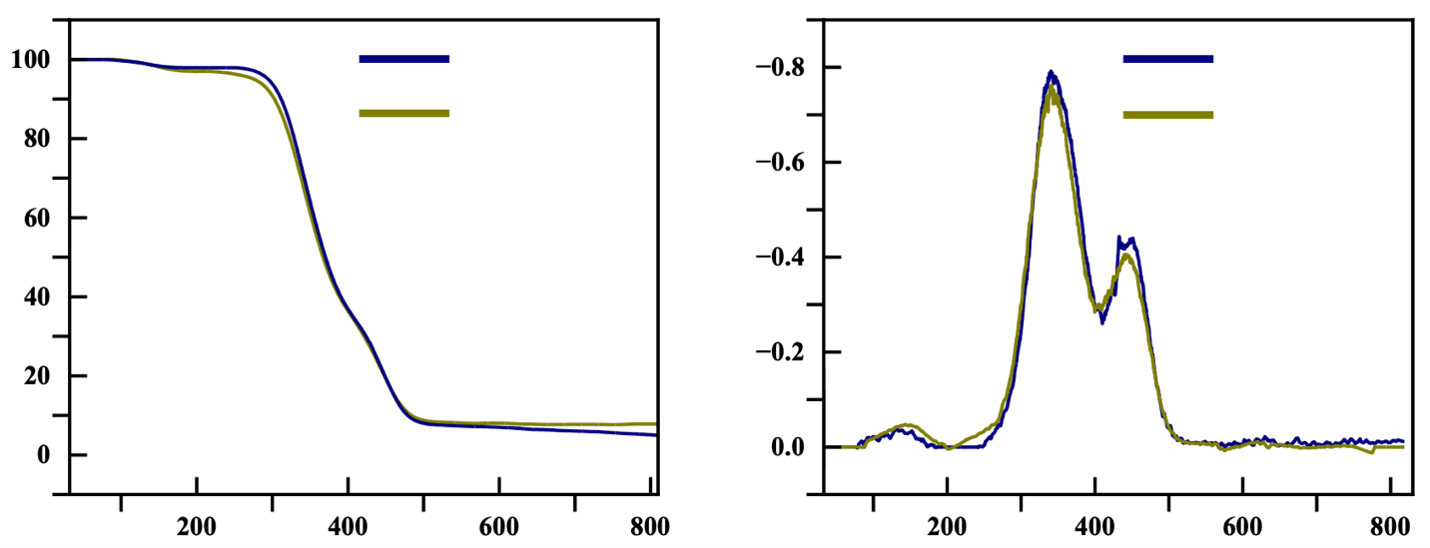
Nipa palm (Nypa fruticans) is a cellulose-rich biomass resource; however, by-products such as Nypa fruticans is a cellulose-rich biomass resource; however, post-harvest residues, particularly leaf petioles, remain largely underutilized. In this study, cellulose nanofiber (CNFs) were successfully extracted for the first time in Vietnam from Nypa fruticans leaf petioles via a simple process combining mechanical treatment, alkaline treatment, and bleaching, without acid hydrolysis. The effects of alkaline treatment conditions, including sodium hydroxide (NaOH) concentration, temperature, and treatment time, on the crystalline structure of cellulose were systematically investigated. X-ray diffraction (XRD) analysis revealed that alkaline treatment parameters significantly influenced cellulose crystallinity through the removal of hemicellulose and lignin from amorphous regions. Appropriate alkaline conditions led to an increase in crystallinity, whereas excessive treatment caused partial degradation of the crystalline structure. Bleaching with sodium hypochlorite (NaClO) at concentrations of 1.83; 2.75 and 4.12% further enhanced CNF crystallinity but resulted in a corresponding decrease in fiber yield, with corresponding values of 61.4%, 58.7%, and 51.2%, respectively. CNFs obtained under optimal conditions exhibited an average fiber diameter of approximately 18.5 nm, high crystallinity (~81.7%), and markedly improved thermal stability compared with the original fibers. The structural, morphological, and thermal properties of CNF were characterized using Fourier-transform infrared spectroscopy (FTIR), X-ray diffraction (XRD), field-emission scanning electron microscopy (FESEM), and thermogravimetric analysis (TGA). Furthermore, when employed as a reinforcing phase in poly(vinyl alcohol) (PVA)-based nanocomposite films, CNF markedly enhanced the mechanical properties of PVA/CNF films, with increases of approximately 44% in elastic modulus and 73.6% in tensile strength, along with a slight improvement in the onset degradation temperature compared to neat PVA films. This study proposes an efficient, cost-effective, and environmentally friendly approach for CNF production from agricultural residues, enhancing the value of Nypa fruticans biomass and highlighting its potential for sustainable biobased materials and polymer composite applications.